
Celebrating Diversity Through Music: Join Our Chorus

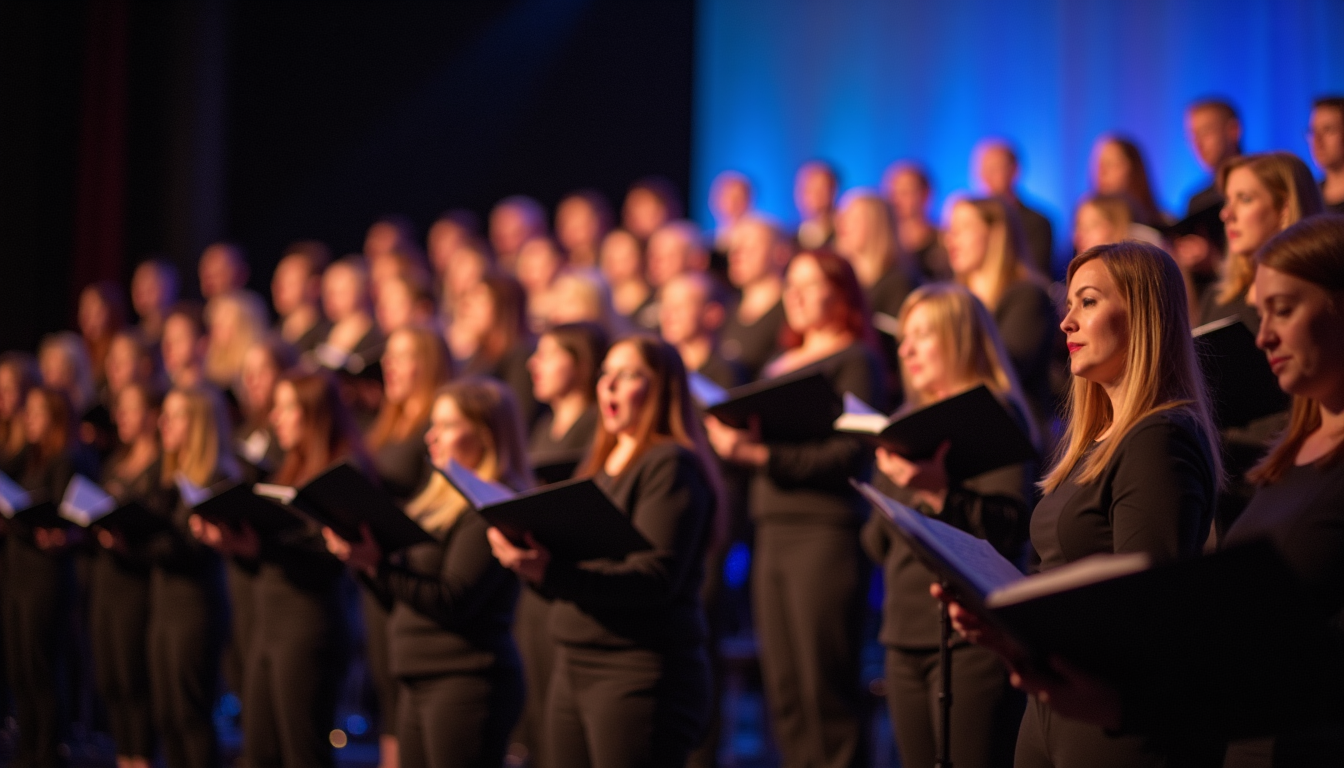
Music has a unique ability to transcend boundaries, bringing people together from all walks of life. It serves as a universal language that speaks to our shared experiences, emotions, and cultures. In a world that often feels divided, music offers a harmonious way to celebrate diversity. This blog post explores how joining a chorus can be a powerful way to embrace and promote diversity in our communities.

The Power of Music in Uniting People
Music has been a part of human culture for thousands of years. It has the power to evoke emotions, tell stories, and connect individuals. Here are some key reasons why music is such a powerful unifier:
Emotional Connection: Music can express feelings that words sometimes cannot. It allows us to connect with others on a deeper emotional level.
Cultural Exchange: Different musical styles reflect the rich tapestry of cultures around the world. By sharing these styles, we can learn about and appreciate each other's backgrounds.
Community Building: Participating in music-making activities, such as joining a chorus, fosters a sense of belonging and community.
The Benefits of Joining a Chorus
Joining a chorus is not just about singing; it’s about being part of something larger than oneself. Here are some benefits of participating in a chorus:
1. Building Relationships
When you join a chorus, you meet people from various backgrounds and experiences. This diversity enriches your life and helps you build meaningful relationships. You learn to appreciate different perspectives and cultures, which can lead to lifelong friendships.
2. Enhancing Musical Skills
Whether you are a seasoned musician or a beginner, being part of a chorus can improve your musical abilities. You will learn to read music, develop your vocal skills, and understand harmony and rhythm. This growth can boost your confidence and inspire you to explore music further.
3. Promoting Inclusivity
Choruses often embrace singers of all ages, backgrounds, and skill levels. This inclusivity creates a welcoming environment where everyone feels valued. By participating, you contribute to a culture that celebrates diversity and encourages acceptance.
4. Boosting Mental Health
Singing has been shown to have numerous mental health benefits. It can reduce stress, improve mood, and enhance overall well-being. Being part of a chorus allows you to experience these benefits while connecting with others.
How to Find a Chorus in Your Community
Finding a chorus that aligns with your interests and values is essential. Here are some steps to help you get started:
1. Research Local Options
Start by searching online for community choruses in your area. Websites like Meetup or local community centers often list musical groups. You can also check social media platforms for community events.
2. Attend a Rehearsal
Once you find a chorus that interests you, consider attending a rehearsal. This will give you a feel for the group dynamics and the type of music they perform. It’s also a great opportunity to meet current members and ask questions.
3. Ask About Inclusivity
When exploring different choruses, inquire about their approach to diversity and inclusivity. A welcoming environment is crucial for fostering connections among members.
4. Commit to Regular Attendance
Once you find a chorus that resonates with you, commit to attending rehearsals regularly. Consistency is key to building relationships and improving your musical skills.
Celebrating Diversity Through Music
Choruses often perform a wide range of music that reflects the diversity of their members. Here are some ways choruses celebrate diversity:
1. Diverse Repertoire
Many choruses choose to perform music from various cultures and genres. This not only showcases the talents of their members but also introduces audiences to new musical experiences. For example, a chorus might perform traditional folk songs from different countries, classical pieces, and contemporary pop songs.
2. Collaborative Performances
Some choruses collaborate with other musical groups, such as orchestras or dance troupes, to create unique performances. These collaborations often highlight the diverse talents within the community and foster a sense of unity.
3. Community Outreach
Choruses can engage with their communities through outreach programs. This might include workshops, performances at local events, or partnerships with schools. By sharing their love of music, choruses can inspire others and promote inclusivity.
Personal Stories: The Impact of Chorus on Diversity
Many individuals have experienced the transformative power of joining a chorus. Here are a few personal stories that illustrate this impact:
Story 1: A Journey of Acceptance
Maria, a first-generation immigrant, found solace in her local chorus. Initially hesitant to join due to language barriers, she discovered a supportive community that embraced her unique background. Through music, Maria formed friendships and gained confidence in expressing herself.
Story 2: Bridging Generations
John, a retired teacher, joined a chorus to connect with younger generations. He found joy in sharing his love for music while learning from the fresh perspectives of younger members. This intergenerational exchange enriched both John’s life and the chorus as a whole.
Story 3: Healing Through Harmony
After experiencing a personal loss, Sarah turned to music as a form of healing. Joining a chorus provided her with a sense of purpose and community. The support from fellow singers helped her navigate her grief and find joy in music once again.
Conclusion: Join the Celebration
Music is a powerful tool for celebrating diversity and fostering connections among people. By joining a chorus, you can experience the joy of making music with others while embracing the rich tapestry of cultures and backgrounds that make up our communities.
Whether you are a seasoned singer or just starting, there is a place for you in a chorus. Take the first step today by researching local options and attending a rehearsal. Together, we can create a harmonious celebration of diversity through music.

Comments